Spinal Decompression Therapy: What It Is, What It Treats, and What the Research Says
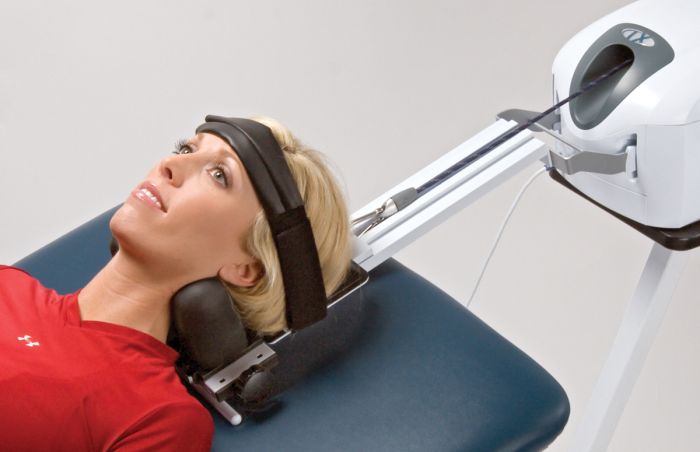
Spinal decompression therapy is a non-surgical treatment designed to reduce pressure on the spine and help patients with disc-related pain, nerve irritation, and chronic mechanical back or neck symptoms. It is commonly used in conservative spine care to help reduce pain, improve mobility, and support healing in patients who are not surgical candidates—or who want to avoid surgery when possible.
For many patients dealing with chronic low back pain, sciatica, neck pain, or disc injuries, spinal decompression can be a valuable part of treatment when used appropriately and paired with an accurate diagnosis.
⸻
What Is Spinal Decompression Therapy?

Spinal decompression therapy is a form of computerized mechanically assisted traction that gently and specifically stretches the spine in a controlled manner. Unlike traditional traction, modern decompression systems use computerized pull-and-release cycles designed to reduce compressive load on spinal discs and joints.
The goal is to create a temporary reduction in intra-discal (within the disc) pressure, which may help:
- Reduce disc compression
- Improve fluid exchange to spinal discs
- Reduce nerve root irritation
- Improve mobility
- Decrease pain
- Support healing in injured spinal tissues
This treatment is commonly performed on a specialized decompression table where the spine is gently distracted at controlled angles and forces based on the patient’s condition.
⸻
How Spinal Decompression Works
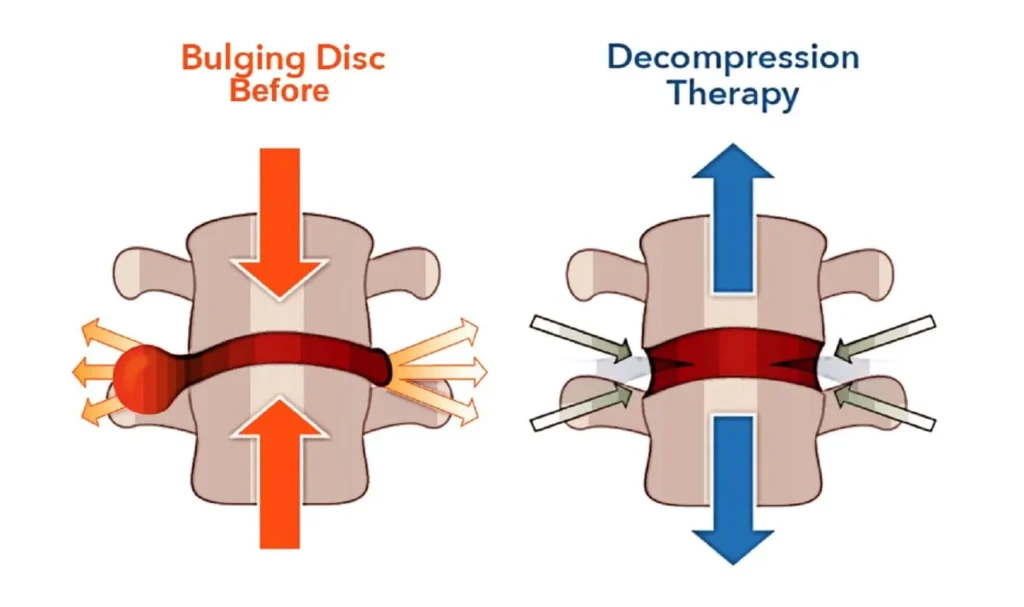
Spinal decompression works by creating a controlled separation of spinal segments. This may produce several therapeutic effects:
1. Reduced Disc Pressure
Spinal discs are under constant compressive load from gravity, posture, lifting, and repetitive activity. When discs become compressed or injured, they can irritate surrounding structures or place pressure on spinal nerves.
Decompression helps reduce this load and may reduce stress on:
- Bulging discs
- Herniated discs
- Degenerative discs
- Annular tears
2. Improved Nutrient Exchange
Spinal discs have limited blood supply and rely on diffusion for nutrient exchange. By reducing compressive load and creating cyclical pressure changes, decompression may help improve:
- Fluid exchange
- Oxygen delivery
- Nutrient movement
- Waste removal
This is one of the primary theoretical benefits for disc support and recovery.
3. Reduced Nerve Irritation
Disc injury, joint degeneration, and narrowing around the spine can irritate nearby nerves. Decompression may reduce pressure around irritated nerve roots and improve symptoms such as:
- Sciatica
- Leg pain
- Arm pain
- Tingling
- Numbness
4. Reduced Muscle Guarding
Pain and spinal compression often lead to protective muscle spasm. As joint and disc pressure decreases, surrounding muscles may begin to relax, helping improve motion and reduce guarding.
⸻
Conditions Commonly Treated with Spinal Decompression

Spinal decompression is most commonly used for conditions involving disc compression, nerve irritation, and chronic spinal loading.
Common indications include:
- Lumbar disc bulge
- Lumbar disc herniation
- Cervical disc bulge
- Cervical disc herniation
- Degenerative disc disease
- Sciatica
- Cervical radiculopathy
- Facet joint compression
- Foraminal stenosis (mild to moderate)
- Chronic low back pain
- Chronic neck pain
- Discogenic pain
- Annular disc injury
- Postural compression syndromes
These patients often present with:
- Pain with sitting
- Pain bending forward
- Pain with prolonged standing
- Radiating leg or arm symptoms
- Morning stiffness
- Recurrent disc flare-ups
⸻
What Spinal Decompression Does Best

Spinal decompression tends to work best when the primary pain generator is:
- Disc compression
- Nerve root irritation
- Mechanical spinal loading
- Chronic compressive stress
It is generally most helpful for:
- Disc-related pain
- Radicular (nerve root) symptoms
- Mechanical low back pain
- Chronic recurrent spinal compression
It is less effective when pain is driven primarily by:
- severe instability
- fracture
- tumor
- severe central stenosis
- inflammatory disease
- advanced neurologic compromise
This is why patient selection matters.
⸻
What the Literature Says

Spinal decompression therapy has been studied primarily in relation to disco-genic (disc is the cause of the pain) low back pain, lumbar disc herniation, and radiculopathy (nerve root pathology/compression).
What research suggests:
- Many studies show spinal decompression may improve pain and function in selected patients with disc-related low back pain.
- Decompression appears to be more effective when paired with exercise and stabilization.
- Patients with disco-genic pain and radicular symptoms tend to respond better than patients with generalized non-specific pain.
- Outcomes are highly dependent on diagnosis, severity, and treatment consistency.
What the limitations are:
The literature on spinal decompression is mixed due to:
- variable study quality
- different traction protocols
- inconsistent patient selection
- varying decompression devices
In short: the treatment is promising, but outcomes depend heavily on using it for the right patient and pairing it with appropriate rehab.
⸻
What Patients Can Expect

A typical decompression session lasts 10–20 minutes depending on the condition and region treated.
Most treatment plans involve:
- 2–4 visits per week initially
- A short treatment series over several weeks
- Reassessment based on symptoms and function
Many patients report:
- reduced leg pain
- less nerve tension
- improved sitting tolerance
- reduced back tightness
- improved mobility
As symptoms improve, treatment frequency typically decreases and rehab becomes more important.
⸻
Spinal Decompression Is Not a Standalone Fix

Like most conservative treatments, spinal decompression works best as part of a broader treatment plan.
This may include:
- spinal decompression
- chiropractic care
- mobility work
- stabilization exercise
- postural correction
- activity modification
- soft tissue therapy
The goal is not just symptom relief—it is improving spinal mechanics and reducing the load that caused the problem in the first place.
⸻
The Bottom Line
Spinal decompression therapy can be an effective non-surgical treatment for selected patients with disc injuries, nerve irritation, and chronic spinal compression. It is not a cure-all, but in the right patient it can help reduce pain, improve function, and support healing.
As with any treatment, the best results come from:
- accurate diagnosis
- proper patient selection
- consistent treatment
- appropriate rehabilitation
The question is not just whether spinal decompression works.
The better question is: Is spinal decompression the right treatment for your condition? Call our office today to schedule a thorough examination to find out if decompression therapy is right for you! 541-318-8627