Motion Is Medicine
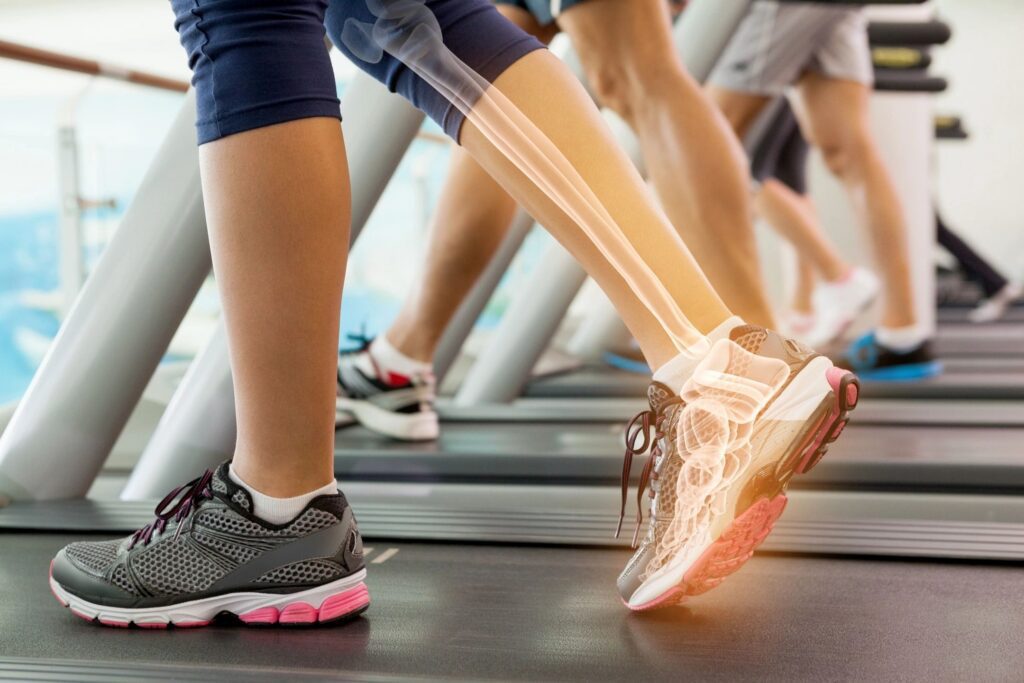
Why Your Body Was Designed to Move
By Brad Welker, DC, DIANM
Have you ever noticed how stiff you feel after sitting too long?
Or how much better your body feels after a gentle walk?
That isn’t a coincidence.
Your body was designed to move.
In fact, movement is one of the most important ways your body keeps itself healthy. Every step you take sends signals to your joints, muscles, ligaments, tendons, nerves, and even your brain that help maintain normal function.
Healthy movement isn’t just exercise.
It is medicine for your body.
Your Body Is Like a City

Imagine your body as a busy city.
Roads deliver supplies.
Garbage trucks remove waste.
Workers repair buildings.
Communication keeps everything running smoothly.
Now imagine that traffic comes to a complete stop.
Supplies stop arriving.
Waste begins to accumulate.
Repairs slow down.
Eventually, the city begins to deteriorate.
Your body works much the same way.
Movement helps keep the body’s transportation system flowing.
Movement Feeds Your Joints

Many people are surprised to learn that cartilage has very little direct blood supply.
Instead, healthy cartilage depends on movement.
Every time you move a joint:
- Fresh joint fluid is pushed into the cartilage.
- Waste products are squeezed out.
- Nutrients are exchanged.
- The joint is lubricated.
Think of cartilage like a sponge.
When you squeeze a sponge under water, old water leaves and fresh water enters.
Healthy joints work in much the same way.
Without movement, they receive fewer nutrients and remove waste less efficiently.
Your Spinal Discs Depend on Movement Too
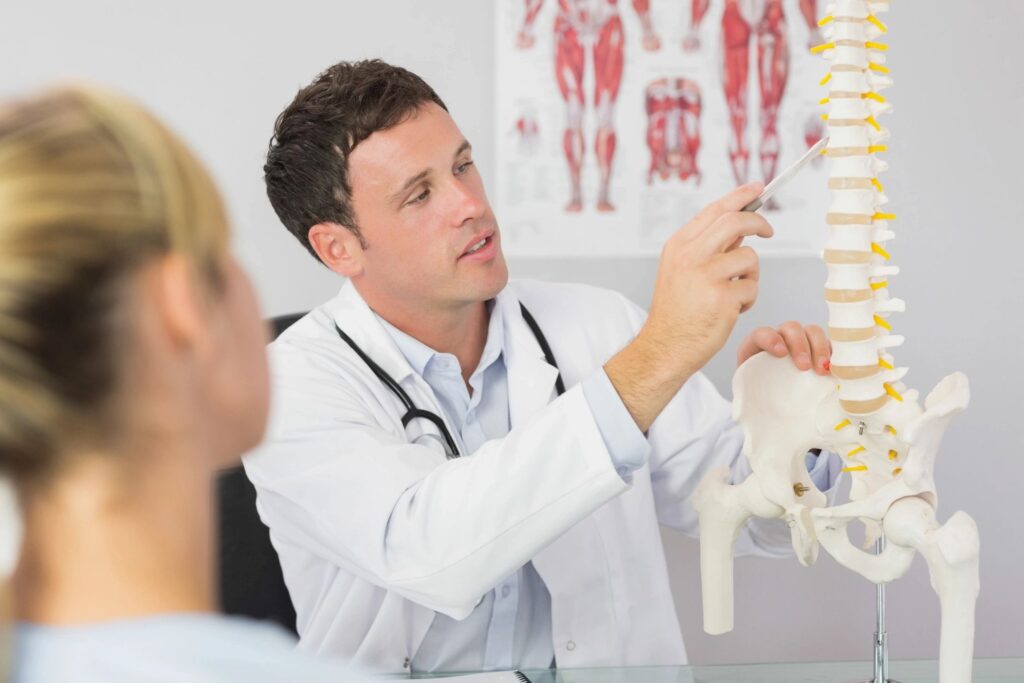
The discs between the bones of your spine also have a limited blood supply.
Rather than receiving nutrients directly from blood vessels, they rely heavily on diffusion through the vertebral endplates.
Movement acts like a pump.
As you bend, walk, and change positions:
- Fluid moves into the disc.
- Waste products move out.
- Cells receive oxygen and nutrients.
- Disc hydration is supported.
When movement decreases for long periods, this natural exchange becomes less efficient.
Over time, the disc may begin to lose water and important molecules called proteoglycans, which help it resist compression and remain flexible.
Your Brain Loves Movement

Movement doesn’t just nourish your joints—it nourishes your brain.
Every movement sends thousands of messages from your:
- Muscles
- Ligaments
- Tendons
- Joints
- Skin
These messages help your brain:
- Maintain balance
- Coordinate muscles
- Improve posture
- Refine movement
- Protect you from injury
The more accurate the information your brain receives, the better it can control your body.
Motion Helps Control Pain

Gentle movement can also help reduce pain.
When appropriate for your condition, movement may:
- Improve circulation
- Reduce stiffness
- Decrease muscle guarding
- Improve joint lubrication
- Calm the nervous system
- Restore confidence in movement
This is one reason prolonged bed rest is rarely recommended for most episodes of back pain. Research has shown that, for many people, staying as active as their symptoms safely allow leads to better recovery than prolonged inactivity.
Not All Movement Is the Same

Although movement is essential, the right movement matters.
For example:
A healthy shoulder should move differently than a shoulder with a torn rotator cuff.
A healthy spine should move differently than one with significant instability.
The goal isn’t simply to move more.
The goal is to move better.
That’s why an accurate diagnosis comes first.
Once we understand why something hurts, we can recommend the most appropriate treatment and exercises.
When Movement Is Difficult
Sometimes pain makes movement feel impossible.
This is where treatment can help.
Depending on your condition, treatment may include:
- Chiropractic adjustments to restore joint motion
- Focused ShockWave Therapy to stimulate tissue healing
- Massage therapy to reduce muscle tension
- Spinal decompression for certain disc conditions
- Rehabilitation exercises to improve strength and coordination
These treatments are not meant to replace movement.
They are designed to help you move more comfortably and more effectively.
The Goal Isn’t Just Less Pain

Our goal isn’t simply to help you hurt less.
Our goal is to help your body function better.
When your joints move well, your muscles coordinate properly, and your brain receives accurate information, your body has a better opportunity to heal and adapt.
Pain relief is often one result of improving function—not the only goal.
What Does the Research Show?

Research has demonstrated that appropriate mechanical loading and movement help maintain:
- Healthy cartilage metabolism
- Bone remodeling
- Tendon strength
- Ligament health
- Muscle function
- Proprioception (your body’s awareness of position)
- Sensorimotor control
Studies also show that prolonged inactivity can contribute to muscle weakness, joint stiffness, reduced proprioception, and decreased physical function.
In other words:
Movement isn’t just something your body does.
Movement is one of the ways your body stays healthy.
The Bottom Line
Your body was designed to move.
Movement nourishes your joints, strengthens your muscles, stimulates your nervous system, and supports healing throughout your body.
Sometimes an injury, arthritis, or another condition makes movement difficult.
Our job is to identify why that has happened and help restore the healthy movement your body was designed for.
Because when your body moves well…
It often functions well.